

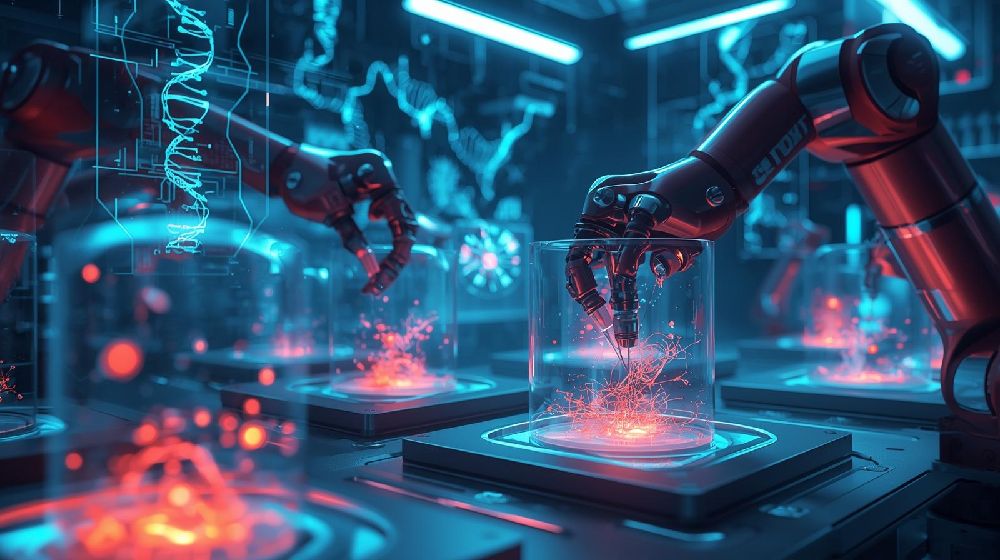
Imagine a world where scientists can design life from scratch, create organisms that produce medicines, clean the environment, or even generate sustainable fuels. This is not science fiction—it is the reality of synthetic biology, a cutting-edge field at the intersection of biology, engineering, and computer science. In the past decade, synthetic biology has transitioned from theoretical research to practical applications, fundamentally changing how we understand and manipulate life.
What Is Synthetic Biology?
Synthetic biology, often called “SynBio,” is the engineering of organisms to perform specific tasks. Unlike traditional genetic engineering, which tweaks existing genes, synthetic biology allows researchers to design genetic circuits, metabolic pathways, and even entire genomes to create organisms with new functions.
Key tools include:
CRISPR-Cas9 for precise gene editing
DNA synthesis to build custom genetic sequences
Computer modeling to predict how biological systems will behave
These innovations enable scientists to go beyond modification—they can now construct life with a purpose.
Practical Applications Transforming Industries
The rise of synthetic biology has already led to tangible breakthroughs across multiple sectors:
Medicine and Healthcare
Engineered bacteria and yeast produce vaccines, antibiotics, and therapeutic proteins at scale.
Personalized medicine benefits from synthetic circuits that can target disease-specific pathways.
Sustainable Agriculture
Crops are being engineered to resist pests, tolerate extreme climates, or fix nitrogen naturally.
Microbial biofertilizers reduce dependency on chemical fertilizers, promoting sustainability.
Environmental Solutions
Synthetic microbes can degrade pollutants, recycle plastics, and clean contaminated soil or water.
Engineered algae and bacteria offer carbon capture solutions to mitigate climate change.
Industrial Biotechnology
Microbes are designed to produce biofuels, bioplastics, and other sustainable materials, reducing reliance on fossil fuels.
Ethical and Safety Considerations
With the power to create life comes responsibility. Synthetic biology raises questions about safety, biosecurity, and ethics:
Could engineered organisms escape into the environment?
What are the long-term ecological impacts?
Who regulates the ownership and use of synthetic life forms?
Researchers emphasize strict containment, ethical guidelines, and transparent oversight to ensure that the benefits of SynBio outweigh the risks.
The Future of Life Engineering
The potential of synthetic biology is immense. Future possibilities include:
Custom-designed microbes for precision medicine
Artificial tissues and organs for regenerative therapies
Novel food sources and lab-grown meat to combat hunger
Bio-based manufacturing processes replacing polluting industrial methods
As computational modeling, AI, and robotics integrate with biology, the pace of innovation is expected to accelerate, making synthetic biology a cornerstone of the next technological revolution.
Conclusion
The rise of synthetic biology represents a paradigm shift in how humans interact with life itself. By combining biology with engineering, scientists can design organisms to solve pressing global challenges, from medicine and agriculture to energy and sustainability. While ethical and safety concerns remain, the promise of creating life in the lab opens doors to possibilities once limited to imagination.
Synthetic biology is not just science—it is the dawn of a new era where life can be designed, optimized, and harnessed for the betterment of humanity and the planet.